
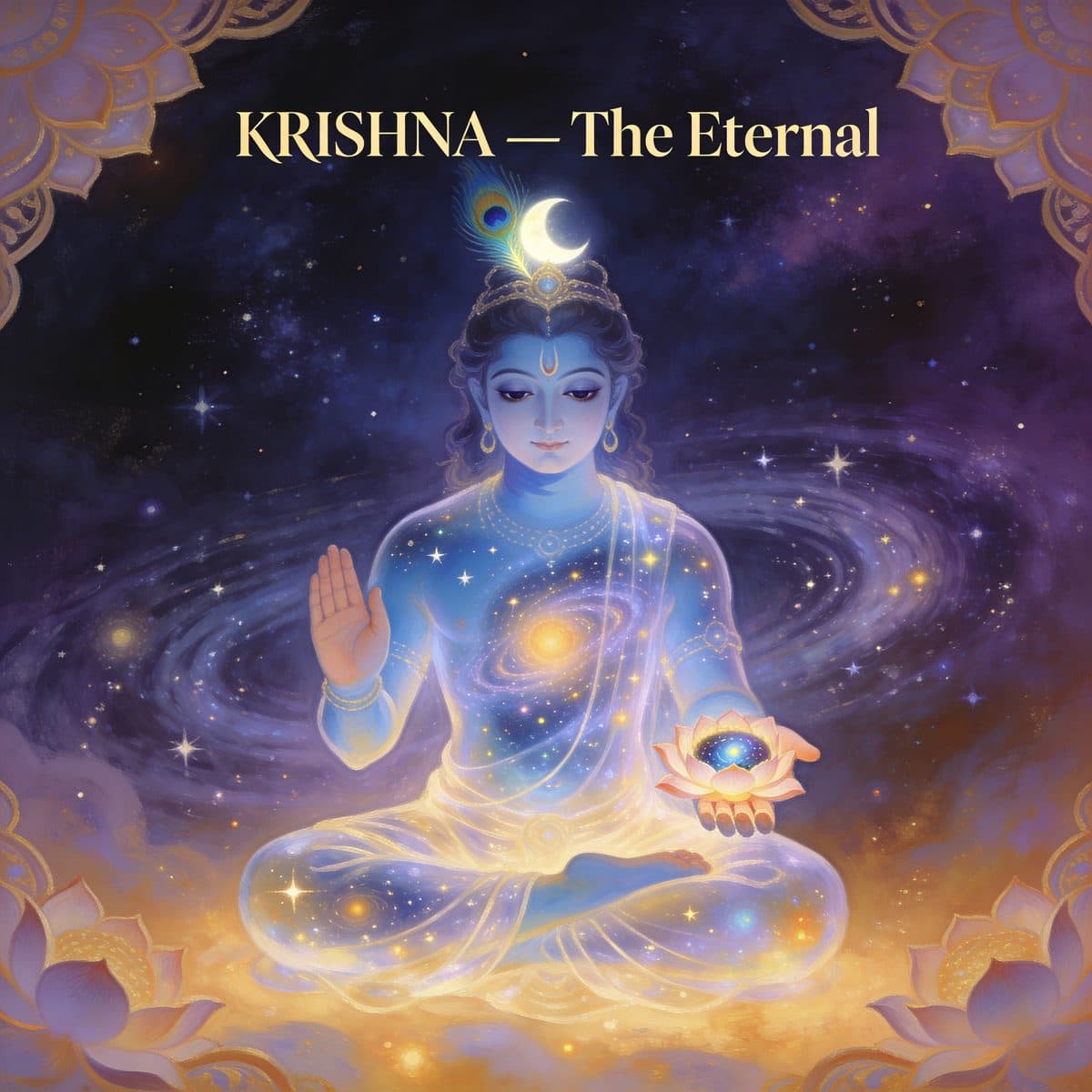
Lord Krishna
Divine TeacherThe Supreme Lord, the charioteer and divine guide of Arjuna. Krishna delivers the eternal wisdom of the Gita, revealing the nature of the soul, duty, and the path to liberation.
Speaking: Chapter 18, Verse 8
Verse 8
The Yoga of Liberation through Renunciation
If one abandons action because it is painful or out of fear of bodily suffering, such a person performs rajasic renunciation and does not obtain the fruit of renunciation.
Context & Meaning
The second type of false renunciation is rajasic: the person who gives up their duties not because of delusion but because of discomfort, aversion to pain, or fear of difficulty. This is closer to self-preservation than to spiritual aspiration. The one who abandons their post because the work is hard, who stops their spiritual practice because it is demanding, who withdraws from their responsibilities because they are exhausting — this person performs a rajasic renunciation that yields no spiritual fruit. They have mistaken comfort for liberation. True renunciation requires the willingness to do what is difficult, uncomfortable, and demanding — without attachment to ease.
Scholar Commentaries
1 commentary · Public domainRamanujacharya
VishishtadvaitaKāyakleśabhayāt — out of fear of bodily suffering. The body is always going to experience effort, discomfort, and fatigue in the performance of duty. To use this as a reason for abandonment is to let the body dictate the soul's choices — which is precisely the reversal that the Gita's entire teaching seeks to correct. In the Vishishtadvaita view, the disciplined performance of duty despite physical difficulty is itself an act of devotion — a refusal to let the lower nature govern the higher. Rajasic tyāga misnames self-indulgence as spirituality.